





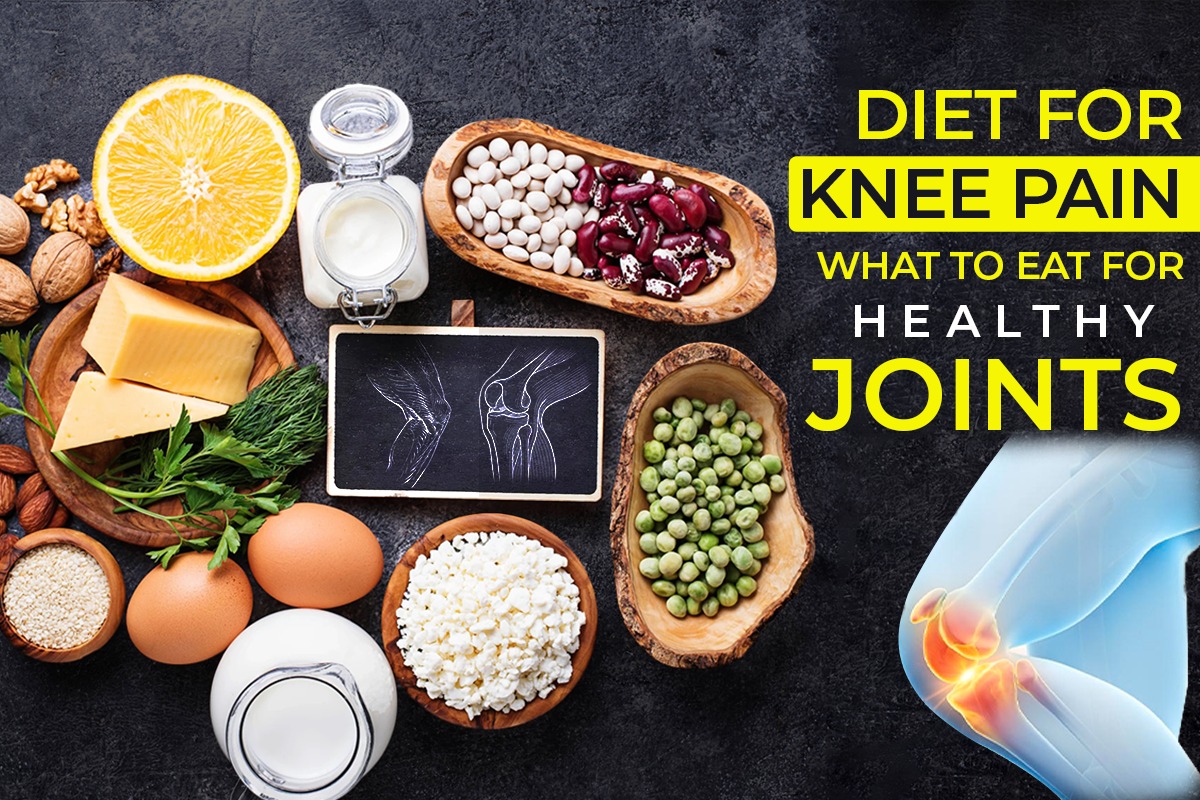
Diet for Knee Pain What to Eat for Healthy Joints
Did you know knee pain is one of the most common joint problems today? The World Health Organization says over 528 million people worldwide live with osteoarthritis and about 365 million cases affect the knee alone.
So the big question many people ask on Google is: What is the best Diet for knee pain? Can foods for knee pain relief really improve joint health? What foods help reduce knee pain?
The truth is simple—what you eat can directly affect your joints. Let’s understand which Natural foods for joint pain relief keep your joints healthy.
How Diet Affects Knee Joint Health
Diet for knee pain keeps joints strong and flexible.
- 1. Anti-inflammatory foods such as leafy greens, berries, nuts, seeds and fatty fish help lower joint irritation and stiffness.
- 2. Calcium and vitamin D strengthen bones.
- 3. Omega-3 fatty acids help control inflammation in joints.
- 4. Antioxidants protect joint tissues from damage.
- 5. Protein supports muscle strength that stabilises the knees.
What Foods Help Reduce Knee Pain – List of the Best
With rising age and gaining weight, knee pain is one of the most common problems people face. Medicines and treatment from a specialist are important. But a diet for knee pain relief is better. Nutrients rich foods naturally help the body. They control inflammation, protect joints and support bone strength.
1. Fatty Fish
People suffering from arthritis-related knee pain gain fast comfort when they consume fatty fish in their weekly meals. Fatty fish such as salmon, sardines and mackerel are rich in omega-3 fatty acids. These are known for having anti-inflammatory properties.
Inflammation is a major reason why knees become swollen, stiff and painful. Omega-3 fatty acids erduce this response in the body. Regular consumption of fatty fish = best foods for knee pain relief and ease of movement.

2. Leafy Green Vegetables
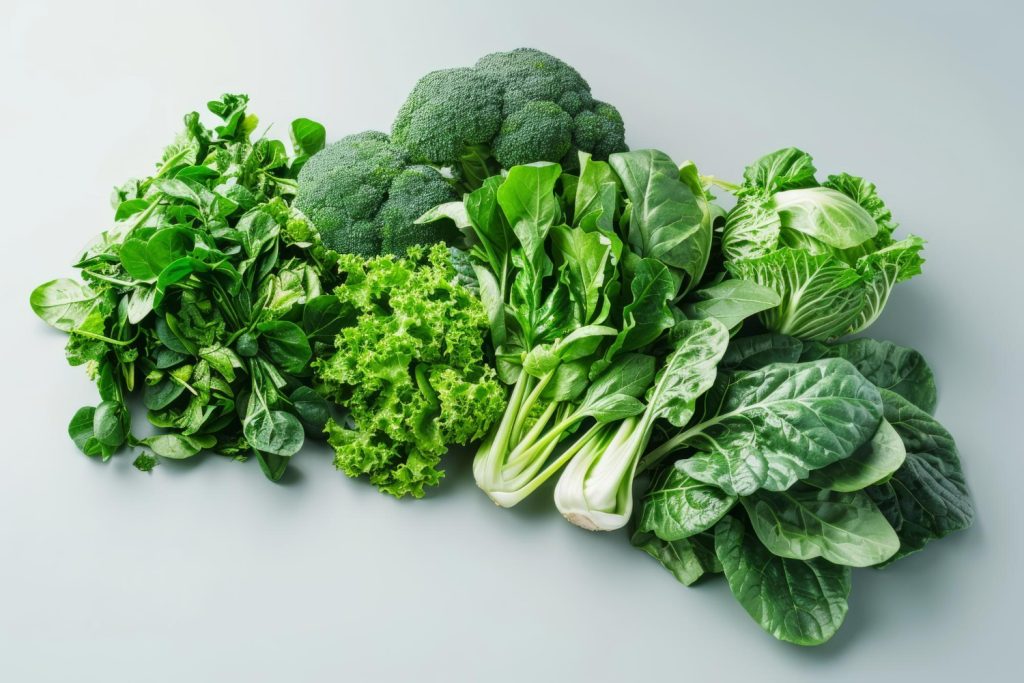
Leafy vegetables are a rich source of vitamins, minerals and plant compounds. Thus, spinach, kale and broccoli support overall joint health. These vegetables are packed with antioxidants. These help protect body tissues from damage caused by oxidative stress.
Oxidative stress can gradually weaken joint tissues. It causes long-term knee problems. The nutrients present in leafy greens help maintain stronger bones and support healthy joint structures. So ideal foods for knee pain relief? The answer is, add a variety of green vegetables to daily meals.
3. Nuts and Seeds
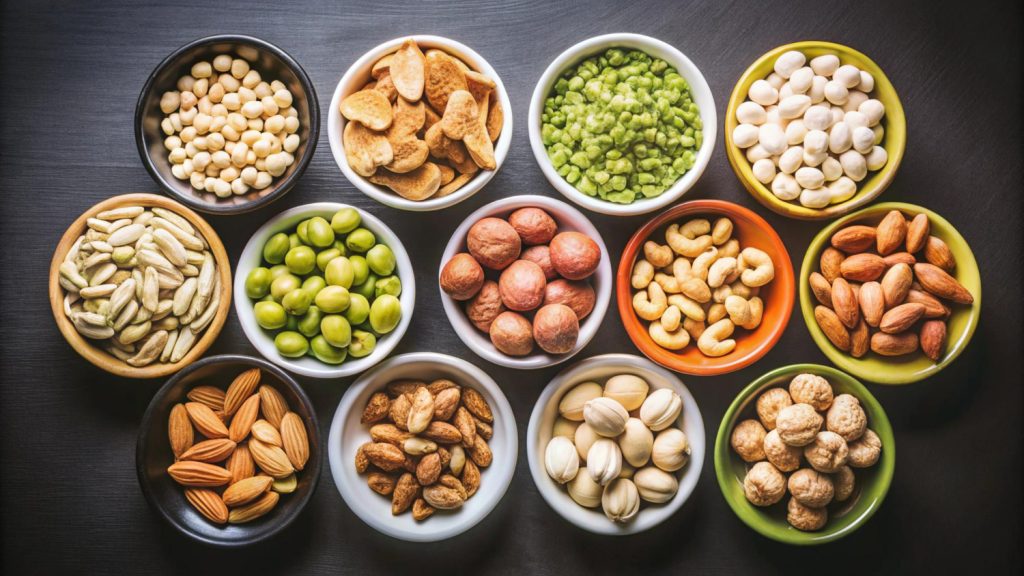
These are small in size! But nutritionally they are very powerful foods. Almonds, walnuts, chia seeds and flaxseeds contain healthy fats. They also provide important minerals such as magnesium and a moderate amount of protein.
Magnesium supports normal muscle and nerve function. Protein helps maintain the strength of muscles surrounding the knee joint. Strong muscles help stabilise the knee and reduce pressure on the joint during walking or standing.
4. Dairy Products
Milk, yogurt and cheese are widely recognised for their high calcium content. Calcium plays an essential role in maintaining strong bones. Strong bones means less pain in knees that carry a large portion of the body’s weight.
Many dairy products also contain vitamin D. It also helps the body absorb calcium more effectively. Adequate levels of these nutrients support bone strength. You get reduced risk of bone weakness around the knee joint.

5. Fruits Rich in Antioxidants
Many fruits contain powerful antioxidants. Berries oranges, pomegranates and grapes are particularly known for these protective compounds. These antioxidants from natural foods for joint pain relief help the body manage inflammation. Also they assist in the repair of tissues. When joint tissues remain healthier, it may reduce discomfort. You get support in smoother knee movement during daily activities.

6. Whole Grains
Whole grains such as oats, brown rice and whole wheat provide steady energy. These have essential nutrients. Unlike highly refined grains, whole grains are the best foods for knee pain relief. They have fiber and plant compounds that may help lower inflammatory markers in the body. Maintaining balanced energy levels also helps support an active lifestyle. It is important for keeping joints flexible and muscles strong. Including natural foods for joint pain relief like whole grains in regular meals can therefore contribute to overall joint wellness.
Foods to Avoid for Knee Pain
If knee pain is troubling your daily life, your food choices may be making it worse. Avoiding the following foods can help reduce strain on the knees and support better joint comfort.
- 1. Processed foods often contain additives that can aggravate joint discomfort.
- 2. Excess sugar and sugary beverages may trigger inflammation that worsens stiffness.
- 3. Refined carbohydrates such as white bread, pastries and packaged snacks can also contribute to joint stress.
- 4. Fried foods are heavy in unhealthy fats that may intensify pain.
5. Too much salt can lead to water retention and swelling around joints.

Importance of Hydration for Joint Health
Many people ignore a simple cause of knee discomfort—lack of water in the body. Your joints need proper hydration to move smoothly. Water helps produce synovial fluid – the natural liquid that lubricates the knee joint. It reduces friction when you walk, bend or climb stairs. When the body is dehydrated, joints may feel tight. It’s then that the movement becomes uncomfortable. Adequate water intake also supports cartilage. It is that soft tissue that cushions bones and absorbs pressure during daily activities. People who drink very little water often complain of stiffness after sitting for long periods. Proper hydration is therefore necessaryl to keep knee joints flexible and functioning comfortably.

Role of Supplements Under Medical Supervision for Good Joint Health
When knee pain starts affecting daily movement, a diet for knee pain is not enough. You need the right supplements under proper medical supervision. It will support joint repair and strength.
- 1. Doctors may recommend glucosamine to help maintain joint cushioning and improve flexibility.
- 2. Chondroitin is often used to support cartilage health and slow joint wear.
- 3. Collagen supplements can strengthen connective tissues that hold the joint together.
- 4. Vitamin D is important for maintaining strong bones that support the knees.
- 5. Omega-3 supplements may help reduce joint stiffness and discomfort.
However, self-medication can be risky. A qualified doctor like the ones at Parekhs Hospital Ahmedabad, can assess your condition. They will best guide the correct supplements, dosage and duration for safe and effective joint care.
Lifestyle Tips to Protect Your Knees
1. Maintain healthy body weight
Extra body weight puts direct pressure on your knees. It speeds up joint damage. Managing weight helps reduce strain and pain.
2. Regular low-impact exercise
Regular low-impact exercise like walking or cycling keep joints active without excessive stress.
3. Stretching and physiotherapy
Stretching and physiotherapy under medical supervision improve joint movement and muscle support around the knee.
4. Good posture
Good posture like proper sitting, standing and walking habits prevent unnecessary pressure on knee joints.
When to See a Doctor
If natural foods for joint pain relief do not help you and following symptoms persist:
- If knee pain continues for weeks despite rest, medication or home care. Come to us before joint degeneration aggravates.
- Persistent swelling, warmth or stiffness around the knee cmeans worsening joint inflammation
- Struggling to walk, climb stairs or bend the knee normally. This requires timely medical attention.
Connect to Know More How to Get Joint Pain Relief Faster
What foods help reduce knee pain? Hope we answered it all for you. If you still have queries, book your consultation now and protect your mobility before the problem becomes permanent.