




Strong Bones from Childhood Habits That Support Lifelong Bone Health
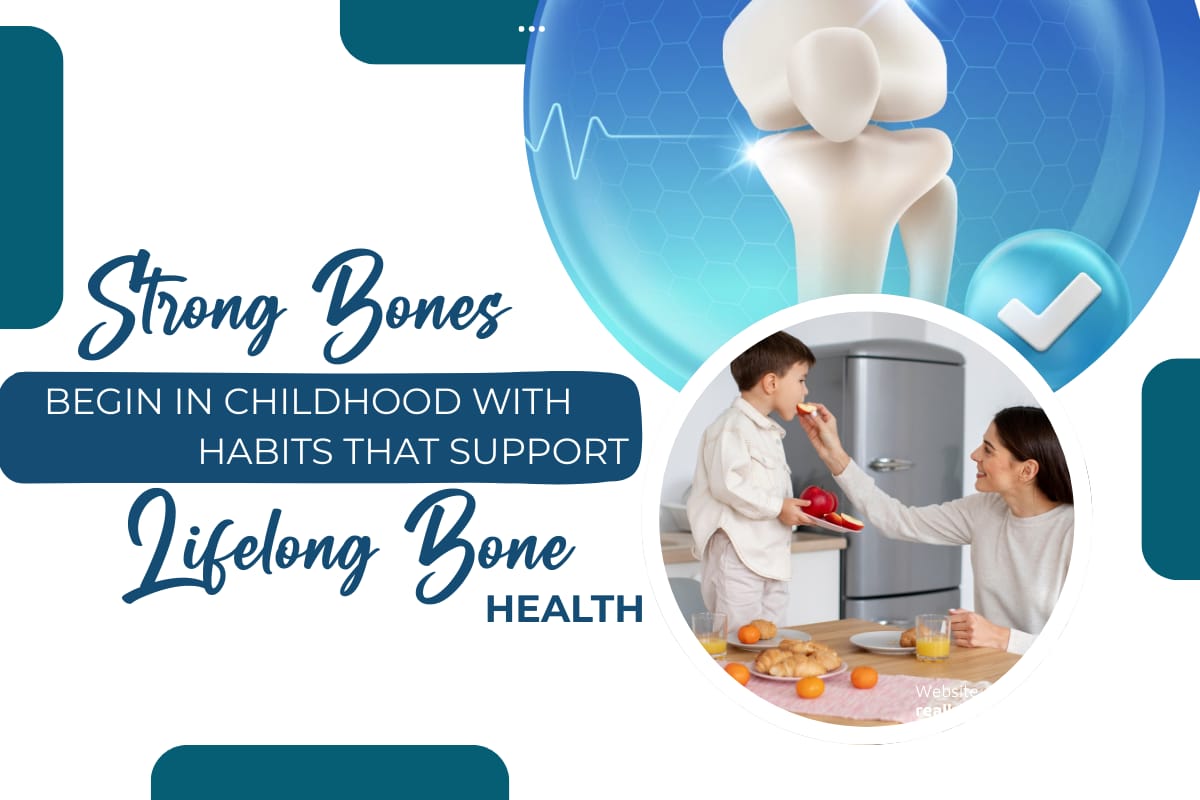
Parents often ask, When does bone strength really begin? Can weak bones in childhood be corrected later? What habits make bones strong for life? Medical science is clear that childhood bone health begins much earlier than most people think.
A child’s bones are not just small adult bones. They are living tissue that grows fast and becomes strong with the right care. Childhood bone health decides how tall, strong and active a person can be later in life. Doctors know that most bone strength is built before adulthood. This is called peak bone mass. If a child eats well, moves daily and sleeps enough, the body stores minerals inside bones. These early habits help create strong bones from childhood. They also help in lowering fracture risk as adults. Poor habits, on the other hand, can lead to weak bones that break easily later. This is why parents must focus on bone care from the earliest years.
Understanding Bone Growth in Children
Bones keep growing in length and thickness till the person reaches their early twenties. During this time, the body adds minerals like calcium and phosphorus to our bones from food that we eat. This process is called bone development in children. Genetics decide a child’s basic bone size, but lifestyle decides strength. Food, sunlight and movement matter more than many parents think. Early childhood and teenage years are the most important time. During puberty, bones grow very fast. If nutrition or activity is poor at this stage, the body cannot fully recover later. Good care during these years builds a strong frame that lasts for life.
What Should One Take as Nutrition for Strong Bones
Food is the main fuel for bones. Without the right nutrients, bones stay soft and weak.
1. Calcium: The Building Block
Children aged 1–3 years need about 700 mg daily. Kids in ages 4–8 need 1,000 mg. Teenagers need up to 1,300 mg. Milk, curd, paneer, ragi, sesame seeds and green vegetables are good sources.
2. Vitamin D: Helping Calcium Do Its Job
Do you know that daily sunlight for 20 minutes helps your body generate Vitamin D naturally? Foods like eggs, fish and fortified milk are rich in Vitamin D. In some cases, doctors may suggest supplements.
3. Other Bone-Supporting Nutrients
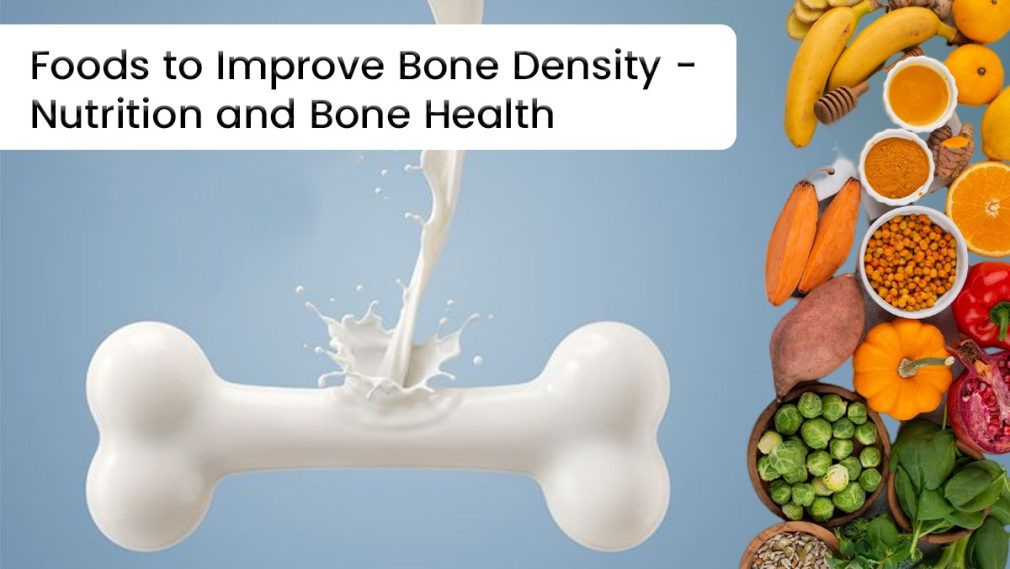
Protein helps build the basic frame of bones. Without enough protein, bones become weak and thin. Magnesium and phosphorus work like helpers. They keep calcium locked inside the bones where it belongs. Vitamin K plays a repair role. It helps bones heal small damage every day. These nutrients come from healthy foods. Milk, curd, eggs, pulses, green vegetables, nuts, seeds and whole grains.
According to the World Health Organization, poor diet quality in childhood increases future bone problems Proper nutrition is the base of building strong bones early.
Physical Activity and Bone Strength
WHO says teens lack activity. Sitting too long weakens bones. Screen time also reduces daily body movement. Regular movement supports the answer to how to build strong bones in children in a natural way.
-
-
- 1. Movement signals bones to strengthen
- 2. Running and jumping thicken bones
- 3. Play makes bones dense naturally
- 4. Weight-bearing activities build bone power
- 5. Walking and skipping support bone growth
- 6. Outdoor play improves balance, coordination
- 7. Daily play builds lifelong strength
-
Healthy Lifestyle Habits That Protect Bones
Good posture keeps bones aligned and prevents stress on joints. Sitting straight and carrying school bags correctly helps growing spines. Maintaining a healthy body weight is also important. Very low weight can weaken bones, while excess weight stresses them. Sleep is when growth hormones repair bones and tissues. For good body growth, children need 8–10 hours of sleep daily. Simple daily routines support childhood bone health. That too without special treatments or costs.
How to Avoid Bone-Weakening Factors
Over time, we have seen sugary drinks replace milk and healthy foods. Did you know that these cold drinks are fast reducing calcium in the body and depleting other minerals too?
Same is with junk food. It is high in salt, which pushes calcium out of the body through urine. High salt diets over time weaken bones. Passive smoking is also harmful. Tobacco smoke reduces blood supply to bones and slows growth. WHO highlights tobacco exposure as a risk factor for poor bone outcomes. Avoiding these habits protects strong bones from childhood.
Role of Parents and Caregivers Towards Child Bone Health
Parents control food choices, daily routines and activity time. A home with healthy meals, outdoor play and fixed sleep times supports bone strength. Children copy adults. When parents eat well and stay active, children follow naturally. Making nutrition fun, like colorful plates or family walks, increases interest. Support and consistency from adults directly influence bone development in children.
View this post on Instagram
How to Ensure Good Bone Health During Adolescence
Teenage years are the final chance to build maximum bone strength. Growth is rapid and nutrient needs increase.
-
-
- 1. Calcium, protein and vitamin D become more vital
- 2. Physical activity should continue despite academic pressure
- 3. Hormonal changes affect bone strength. Regular activity = Healthy weight that protects bones
- 4. According to WHO, bone health habits formed during adolescence affect lifelong health
- 5. Early habits prevent osteoporosis later
-
Long-Term Benefits of Strong Childhood Bones
WHO reports that fractures cause major disability worldwide. Investing early supports how to build strong bones in children for lifelong mobility. Children who build strong bones face fewer fractures as adults.
-
- 1. Fewer fractures in adulthood
- 2. Lower osteoporosis risk later
- 3. Stronger posture and balance
- 4. Better mobility with aging
- 5. Reduced joint and bone pain
- 6. Higher physical independence
- 7. Improved quality of life
- 8. Lower healthcare costs long-term
Why Parekh’s Hospital, Ahmedabad Matters for Strong Bone Health
Children may not even realise or complain early when bones are weak. Problems show later, when growth slows or pain starts. That is why early care matters. Parekh’s Hospital in Ahmedabad focuses on careful checking, simple tests and clear guidance for parents. Doctors here understand childhood bone health and treat every child as growing, not just sick.
-
- 1. We will provide you complete and time to time nutritional guidance.
- 2. Our doctors will also ensure bone growth monitoring and prevention-first care.
- 3. Parents trust Parekh’s Hospital because doctors listen patiently.
- 4. If at all your child’s bones are weak, nutritional treatment plans are safe, gradual and suited to the child’s age.
- 5. What truly sets this hospital apart is timely action.
Strong bones are built, not inherited. Start early, stay consistent and seek expert guidance when needed. Childhood bone health decides adult strength. Parents who focus on strong bones from childhood, protect and commit to giving their children lifelong confidence. Knowing how to build strong bones in children today shapes a healthier tomorrow. Connect with us today towards a lifelong freedom of movement.